Tel: +86-21-60530355
Mobile: +8615214379688
E-mail: sales@beallindustry.com
Address: No.1088 XinJinQiao Road, PuDong, Shanghai, China


The Best Stainless Steel Coil Manufacture
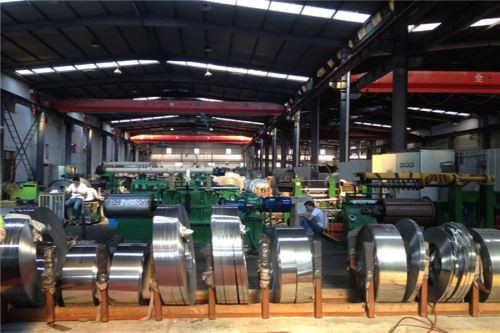
Beall Industry Group Co., Limited is the leading manufacturer and supplier of stainless steel, duplex stainless and super nickle alloy materials with more than 25 years experience of supplying to a great variety of end users from different fields. Beall Industry Group, establlished in 1992, now covers a total landing area 520,000 square meters and nearly 500 employees.
Quality control
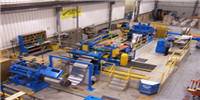
In the processing of production, our professional technical engineers inspect the processing to ensure the quality of products,After our machine finish , our engineer will make 24 hours test constantly and ensure the machine reach to the best performance.
One-stop Solution
With rich experience and one-to-one service,we can help you choose products and answer technical questions.
Make it personal
When you work with us, you can count on personalized, one-on-one service every step of the way.
World-wide expertise
We know international markets and trends. Our expertise, experience and network cover all corners of the world.
What is Stainless Steel Coil
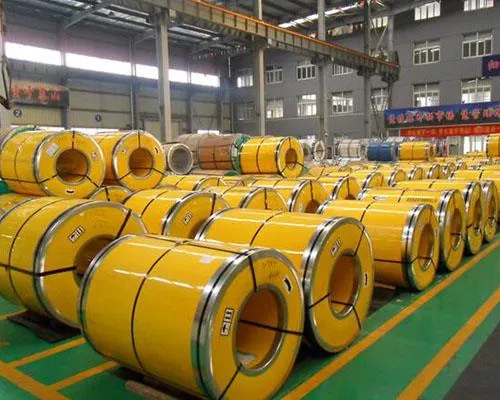
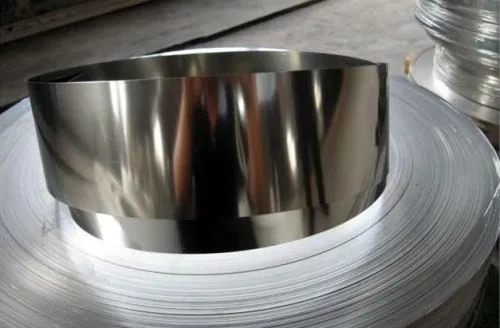
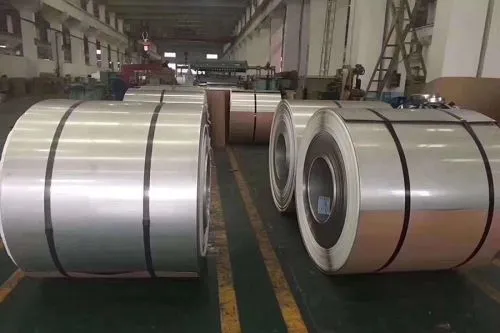
Stainless steel coils are versatile and may meet a range of requirements. It is created by hot rolling stainless steel slabs into thin sheets, which are subsequently wound up. The ideal temperature for rolling out this is between 1100 to 1300 ° C.
Corrosion Resistance
One of the primary benefits of stainless steel coil is its ability to resist rust and corrosion, making it suitable for harsh environments.
01
Durability
Stainless steel coils are known for their high strength and longevity, reducing the need for frequent replacements.
02
Versatility
Available in various grades and finishes, stainless steel coils can be used in a wide range of applications, from industrial equipment to household appliances.
03
Aesthetic Appeal
With a sleek and modern appearance, stainless steel coils are often used in architectural and decorative applications.
04
Recyclability
Stainless steel is 100% recyclable, making it an environmentally friendly choice for many industries
05
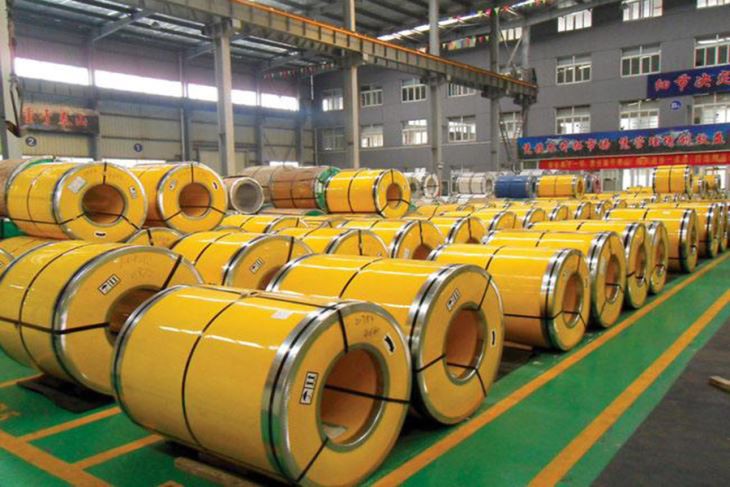
Stainless steel is divided into several categories and each category is further divided into grades and series. The steel grade defines what type of steel and its composition and properties. While the grades reflect the specific alloy’s durability, quality, and temperature resistance, the numbers listed after the grade refer to its chemical composition, especially the chromium and nickel percentages. It plays an important role for fabricators, specialists, and customers to determine their requirement.
The most used grades of steel are the 200 series, 300 series, 400 series and duplex series.304, 304L, 316 and 316L stainless steel coils are the most popular and economical grades of stainless steels.
It may be mentioned that the Grade 304 stainless steel coil is the most standard used chromium alloy of this which is also known as an “18/8” stainless as the make-up of the steel is 18% chromium and 8% nickel. The chromium component adds resistance to the effects of corrosion and oxidation. This steel is used throughout industry, specifically in heat exchangers, chemical containers, pipelines and throughout the brewing industry.
Architecture and Construction
Stainless steel coils find extensive use in architectural and construction applications, contributing to the creation of durable and aesthetically pleasing structures.
Common applications include roofing, cladding, and structural components where corrosion resistance is crucial.
Kitchen Appliances and Cookware
The food industry extensively employs stainless steel coils for the production of kitchen appliances, such as refrigerators, stoves, and dishwashers, due to their resistance to corrosion and staining.
Cookware like pots, pans, and utensils benefit from the durability and easy cleaning properties of stainless steel.
Automotive Industry
Stainless steel coils are employed in the automotive sector for various components, including exhaust systems, trim, and decorative elements.
Their resistance to corrosion and ability to withstand harsh environmental conditions contribute to the longevity of automotive parts.
Oil and Gas Industry
Stainless steel coils are crucial in the oil and gas sector, where they are used for pipes, tubing, and fittings. Their resistance to
Medical Equipment
In the medical field, stainless steel coils are utilized in the manufacturing of medical devices and equipment due to their biocompatibility, corrosion resistance, and ease of sterilization.
Chemical Processing
Stainless steel coils play a vital role in the chemical industry, where they are used for the fabrication of storage tanks, pipelines, and processing equipment. The corrosion resistance of stainless steel is essential for handling corrosive chemicals.
Electronics and Electrical Components
The electronics industry utilizes stainless steel coils for the production of various components, such as connectors, springs, and shielding due to their electrical conductivity and corrosion resistance.
Aerospace Applications
Stainless steel coils are employed in the aerospace sector for the production of aircraft components, including structural elements, fasteners, and exhaust systems, owing to their high strength-to-weight ratio and corrosion resistance.
Railway Industry
Railway infrastructure benefits from stainless steel coils in the manufacturing of railcars, tracks, and components due to their durability and resistance to environmental factors.
Energy Sector
In the energy industry, stainless steel coils are used in power generation facilities, nuclear reactors, and renewable energy applications. Their corrosion resistance and high-temperature stability make them suitable for these demanding environments.
Water and Wastewater Treatment
Stainless steel coils are employed in water treatment plants for pipes, valves, and other components due to their resistance to corrosion and ability to withstand exposure to water and chemicals.
Custom Fabrication
Stainless steel coils are a popular choice for custom fabrication projects, where their versatility allows for the creation of diverse products ranging from decorative elements to specialized industrial components.In conclusion, the uses of stainless steel coils span a wide range of industries, highlighting their importance in creating durable, corrosion-resistant, and versatile products across various applications.
Melting and Casting
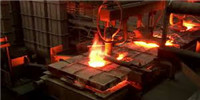
The production begins with melting raw materials in an electric arc furnace (EAF). These materials include iron ore, chromium, nickel, and other alloying elements that determine the specific type of stainless steel. The furnace heats these elements to around 1500°C (2732°F), producing molten steel. This molten steel is then cast into large rectangular shapes called slabs.
Hot Rolling
Once the slabs are cooled and solidified, they undergo hot rolling. This process involves heating the slabs to approximately 1200°C (2192°F) and passing them through a series of rollers to reduce their thickness and form long, thin sheets. These sheets are coiled at the end of the hot rolling process. The result is a semi-finished product known as a hot-rolled coil.
Annealing and Pickling
To achieve the desired mechanical properties and remove any internal stresses, the hot-rolled coils undergo annealing. This heat treatment process softens the steel, making it more workable. Following annealing, the coils are subjected to pickling. Pickling involves immersing the coils in an acid solution to remove scale and other impurities formed during hot rolling and annealing.
Cold Rolling
The pickled coils are then cold rolled, which means they are passed through rollers at room temperature. Cold rolling further reduces the thickness and improves the surface finish, strength, and hardness of the steel. This step is crucial for producing coils with precise thickness and smooth surfaces.
Final Annealing and Pickling (if required)
Depending on the final application, the cold-rolled coils might undergo another round of annealing and pickling to enhance their properties and cleanliness.
Finishing
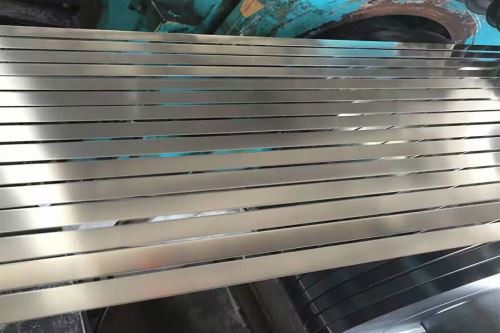
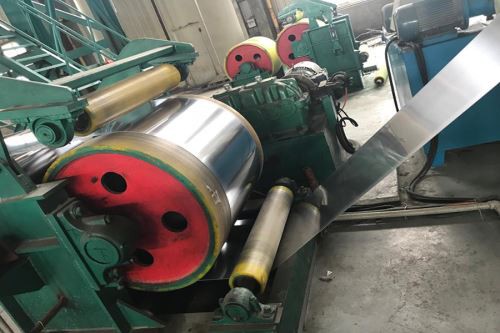
The final stage involves various finishing processes, such as trimming, slitting, and edge conditioning, to meet the specific requirements of customers. The coils might also be polished or coated to enhance their appearance and resistance to corrosion.
Quality Control
Throughout the production process, rigorous quality control measures are in place to ensure the coils meet stringent industry standards. Tests for dimensions, mechanical properties, surface quality, and chemical composition are conducted to guarantee the final product's quality.
What are the types of stainless steel coils
Hot rolled steel coil: Made from semi-finished products, these steel coils are rolled, annealed, and reduced to a certain thickness and rolled into coils. This type of steel coil is used in manufacturing pipes, steel doors and tanks and can be further processed into cold rolled steel. Hot-dip galvanised steel coils are also available with a pure zinc coating that offers economy, strength and formability. Hot-dip galvanised steel is used in building roofs, doors, windows, roller shutter doors and electric equipment.
Cold rolled steel coil: Made by ‘pickling’ hot rolled plate in a weak acid solution to remove rust, it involves cleaning, brushing, drying, oiling, uncoiling, and cold rolling. It is then wound into coils after passing it through a size reduction machine. A higher finished product cold rolled steel coils has a smoother surface, higher dimensional accuracy and bigger strength. Cold rolled steel coil finds maximum use in the automotive industry. It may be mentioned that stainless steel differs from carbon steel in its chromium and nickel content.
Carbon coil: Apart from carbon, carbon coil has small quantities of silicon, manganese, sulfur and phosphorus. It is good for second grade applications and comes in a variety of grades and thicknesses.
Galvanised coil: The process of making galvanised coil is by hot-dipping or electrolytic deposition of hot or cold rolled sheet in zinc. It helps resist corrosion and is used in the automotive industry or in roofing.
Stainless steel is renowned for its durability and sleek appearance but can lose its lustre if not cleaned regularly. For everyday cleaning, use a soft cloth and warm water with mild detergent. Avoid harsh chemicals or abrasive scrubbers, as they can damage the surface and lead to scratches. For tougher stains, consider using a mixture of baking soda and water applied gently with a soft cloth. This approach cleans and prevents the accumulation of dirt and grime.
Regular polishing is essential to maintain the glossy finish of your stainless steel products. Use a high-quality stainless steel polish or vinegar and olive oil mixture. Apply the polish with a soft cloth, following the grain of the steel to avoid streaks. This method enhances the shine and creates a protective layer against smudges and fingerprints. Polishing your stainless steel items once a month can keep them looking brand new and maintain their appeal.
Preventive care is crucial for maintaining stainless steel products. To prevent heat damage, avoid placing hot pans directly on stainless steel surfaces. Use trivets or heat-resistant pads instead. Additionally, be cautious with acidic foods and substances, as prolonged contact can cause staining or corrosion. Wipe down your stainless steel surfaces after exposure to saltwater or acidic liquids to avoid damage. This proactive approach will significantly extend the life of your stainless steel items.
Routine maintenance plays a vital role in preserving the quality and appearance of stainless steel products. Please check for any signs of rust or corrosion and address them immediately with a stainless steel cleaner or polish. Inspect and tighten any loose screws or fittings to ensure the structural integrity of your stainless steel items. By incorporating these maintenance tasks into your routine, you can prevent minor issues from becoming major problems, thus ensuring the longevity of your stainless steel products.
Routine maintenance plays a vital role in preserving the quality and appearance of stainless steel products. Please check for any signs of rust or corrosion and address them immediately with a stainless steel cleaner or polish. Inspect and tighten any loose screws or fittings to ensure the structural integrity of your stainless steel items. By incorporating these maintenance tasks into your routine, you can prevent minor issues from becoming major problems, thus ensuring the longevity of your stainless steel products.
Corrosion resistance
This topic of corrosion resistance is extremely important to know when purchasing stainless steel products. The standard grade most commonly used for food grade applications is AUSTENITIC STAINLESS STEEL. Due to its chemistry, austenitic stainless steels show tremendous resistance to basic corrosive environments containing only salt and water. Specifically, our 304 — grades (including but not limited to), include 18/22, 20/30, 15/25, and 10/15. Use the proper grade based on your installation environs; atmospheric conditions such as air quality, moisture content, and acidity levels can greatly increase the corrosion rate of a product.
Resistance to heat
Many More customers choose stainless steel coils because they can use them everywhere without any concern about the corrosion. Temperature is a factor to consider when purchasing stainless steel products. High temperatures, such as in a furnace environment of (900–1175C) can increase the corrosion of stainless steel products. High temperature exerts high pressure on the products.you will have to purchase heat-resistant stainless steel, such as 253MA and 321MA if the temperature is always high.
Cryogenic resistance
Austenitic stainless steel is more efficient at low temperatures. They can maintain a higher tensile strength at low temperatures compared to ambient temperatures. Regardless of degrading and toughness, such steel is suitable for low temperatures. Cryogenic resistance means that the materials ability to withstand decreased material temperature after exposure to increasing pressures. You must check cryogenic resistance to know which one is better for you.
Magnetic response
Austenitic and ferritic grades of stainless steel typically have a lower magnetic content, whereas chromium-based grades are more magnetically active. You must check the magnetic response for each type of grade; austenitic is not as strong as carbonitride and 310, 316, and 430 grade steels so these all tend to show very little effect. Martensitic Stainless with higher magnetic content such as 310, 320, 330, 410, and 416 , which are not magnetic but can be made into hardware that is by using posthardening processes such as nitriding, has deep cryogenic Tempering to achieve those characteristics. Duplex grades like 2205 and 2201 are ferromagnetic while others like 400CN and 452CBM are paramagnetic.
Cost
Cost is one of the most important factors when buying stainless steel coil. Stainless steel of high price can be worth the money as it can run for a longer time.you need to access the costs depending upon the basis of the life cycle. Different 201 stainless steel coil sell the products at different costs.
Strength required
It can be quite complex to know the steel strength that you require. The strength requirement depends upon the installation environment and the purpose of installation. In some cases, high-strength duplex and austenitic stainless steel are suitable. But in some cases, these can be the most unsuitable as they cannot meet your requirements. So you must check the strength that is required for your work.
Beall Industry Group, who is famous for the material smelting and processing services in China stainless steel industry now have 3 plants locate in Jiangsu Province and Zhejiang Province, one domestic sales center in Jiangsu and one international sales office in Shanghai.