Tel: +86-21-60530355
Mobile: +8615214379688
E-mail: sales@beallindustry.com
Address: No.1088 XinJinQiao Road, PuDong, Shanghai, China


Company Profile
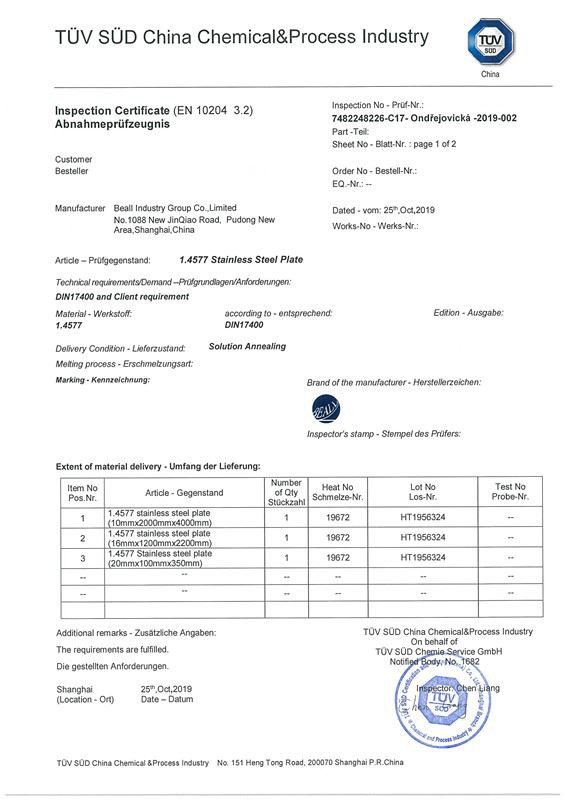
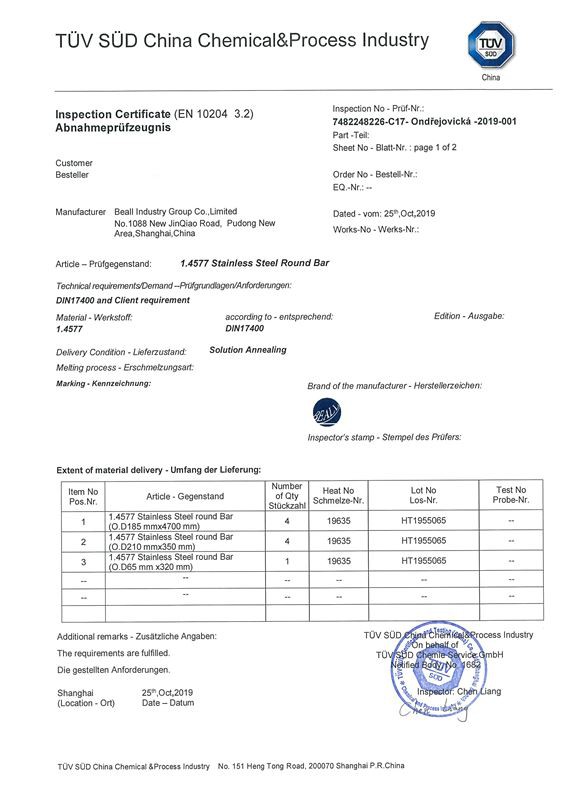
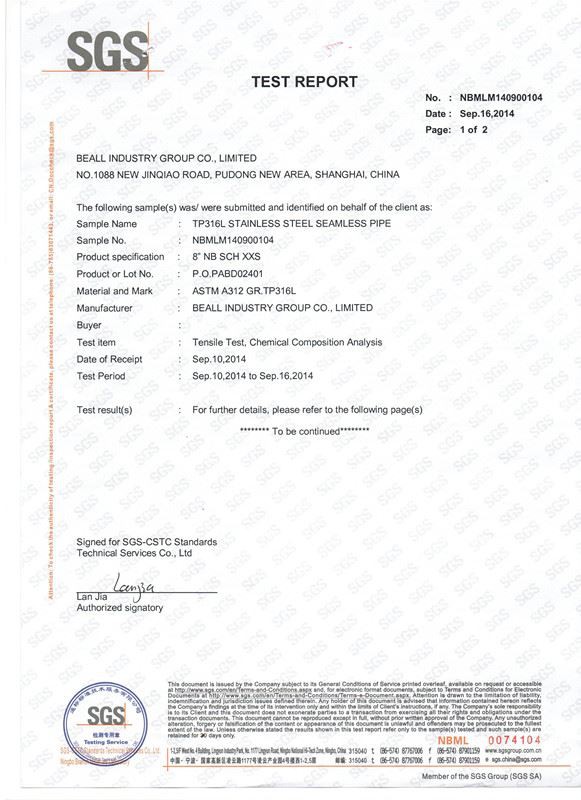
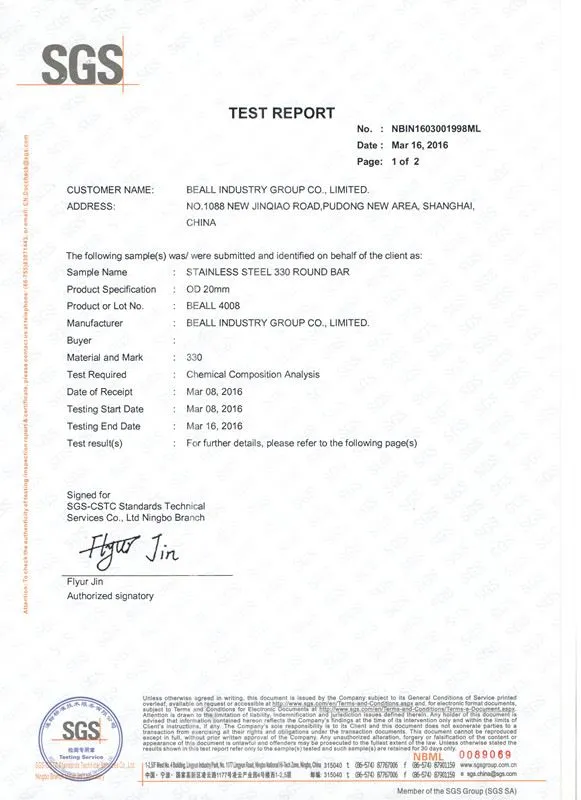
Beall Industry Group Co.,Limited is the leading manufacturer and supplier of stainless steel, duplex stainless and super nickle alloy materials with more than 25 years experience of supplying to a great variety of end users from different fields. Beall Industry Group, establlished in 1992, now covers a total landing area 520,000 square meters and nearly 500 employees.
Rich experience
We are the leading manufacturer and supplier of stainless steel and super nickle alloy materials with more than 25 years experience of supplying to a great variety of end users from different fields.
Advanced equipment
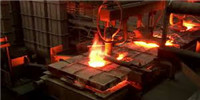
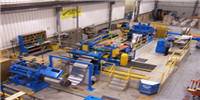
Now the production plants of company covers 4 production lines of smelting, with well equiped processing platforms including shearing, cutting, surface finishing, forming, welding and maching.
Good service
With close collaboration between our experienced production, processing and professional international sales team, company promises customers reliable quality, on time delivery, professional service before and after sales.
Competitive price
Company does its best to help customers save cost, enhance competitiveness, make profit.
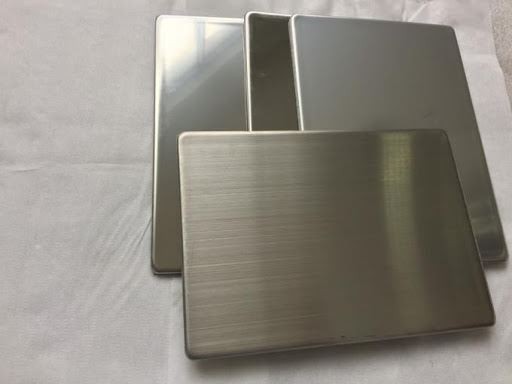
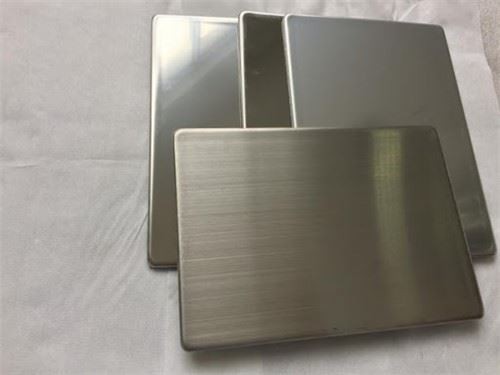
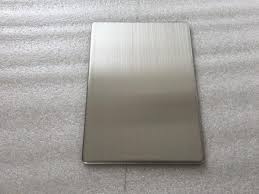
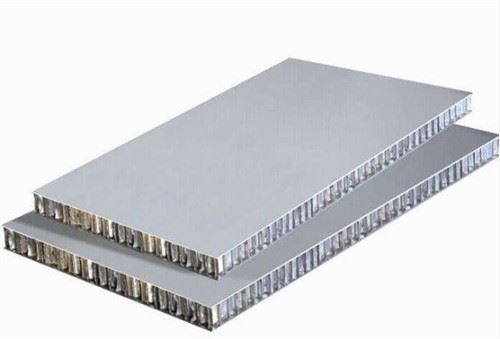
Composite panels, also known as sandwich panels, are a popular construction material consisting of an insulation core sandwiched between two metal or plastic facings.
Durability
Due to their mix of metal and plastic, ACPs are durable, weather-resistant, and stain-resistant. The three-layer sandwich panel design offers a solid barrier, allowing consumers to enjoy a reduction in sound from the outside environment. Panels retain their shape and size even through drastic weather changes, making them ideal for regions with harsh seasons. Additionally, ACPs are resistant to corrosion, ensuring consumers can enjoy the benefits for years to come.
Economical
Aluminum composite panels are one of the most economical materials available on the market. With low initial cost and long-lasting durability, ACPs offer homeowners cost-savings from the onset. They’ve also proven to offer high-quality thermal comfort, providing additional savings in energy and gas expenses.
A safer alternative
Since aluminum doesn’t burn, ACPs offer a fireproof exterior option. When exposed to temperatures of 650 degrees Centigrade or more, the product will melt. It does not, however, emit fumes and gasses that could prove harmful to the home’s inhabitants or the environment.
Hassle-free maintenance
ACPs allow for hassle-free maintenance, preserving the structure’s look and feel longer than any other product. To remove dirt and dust, simply wipe with a clean cloth.
Flexibility in color options
Many construction materials limit the consumer to a few color options. Since aluminum composite panels are available in a variety of colors, buyers no longer have to settle for the closest alternative to that hue they had their heart set on. ACPs can even replicate the texture of natural stone, wood, and metallics.
Aluminum composite panels (ACPs):
Aluminum composite panels, or ACPs, consist of two aluminum sheets bonded to a core material, usually made of polyethylene or fire-resistant mineral. ACPs are renowned for their lightweight nature, making them easy to handle and install. They boast excellent weather resistance, making them suitable for both exterior and interior applications. Architects and designers often appreciate ACPs for their limitless design possibilities and color variations.
Insulated metal panels (IMPs):
Insulated metal panels, or IMPs, are known for their exceptional thermal insulation properties. These panels consist of two metal faces with a foam insulation core in between. IMPs offer energy efficiency and structural stability, making them ideal for applications where insulation is paramount, such as cold storage facilities or energy-efficient buildings.
Fiber-reinforced polymer (FRP) panels:
Fiber-reinforced polymer panels, also known as FRP panels, are composed of a polymer matrix reinforced with fibers such as glass, carbon, or aramid. These panels are lightweight, corrosion-resistant, and offer high strength-to-weight ratios. They find application in industries ranging from aerospace to automotive, as well as architectural features like facades and decorative elements.
High-pressure laminate (HPL) panels:
High-pressure laminate panels, or HPL panels, are crafted by layering resin-impregnated paper sheets under high heat and pressure. HPL panels are renowned for their durability, resistance to impact, and scratch resistance. They are often used in cladding, partitioning, and interior applications where robustness is essential.
Wood-plastic composite (WPC) panels:
Wood-plastic composite panels, or WPC panels, combine wood fibers or particles with thermoplastics to create a versatile material. WPC panels offer the appearance of wood with the durability and moisture resistance of plastic. They are used for decking, fencing, and even interior wall cladding due to their eco-friendly attributes and low maintenance requirements.
Phenolic panels
Phenolic panels are manufactured by impregnating layers of paper with phenolic resins and then curing them under heat and pressure. These panels are renowned for their fire resistance, durability, and weather resistance. Phenolic panels find extensive use in outdoor cladding systems, as well as decorative interior elements.
Polycarbonate panels
olycarbonate panels are transparent or translucent composite panels made from polycarbonate thermoplastic. They are lightweight, impact-resistant, and offer excellent thermal insulation properties. Polycarbonate panels are often used for roofing, skylights, and translucent wall panels, allowing diffused natural light to illuminate interior spaces.
Ceramic panels
Ceramic panels are a sophisticated choice, combining the aesthetics of ceramics with the benefits of composite materials. These panels consist of a ceramic top layer bonded to a composite backing. Ceramic panels offer high resistance to UV rays, weathering, and graffiti, making them suitable for exterior cladding in urban environments.
Gypsum composite panels
Gypsum composite panels comprise gypsum plaster sandwiched between layers of paper or other facing materials. They are used for interior applications such as wall partitioning and ceiling panels due to their fire resistance, sound insulation properties, and ease of installation.
Automotive sector
Modern cars, trucks and other large vehicles use composite panels to line the ceilings, walls, doors and floors. Compared to regular steel structures, composite panels are significantly lighter and provide excellent thermal insulation, reducing the weight of a vehicle whilst improving its temperature regulation. Lightweight composite panels are also used in motor vehicle applications for use as specialist lining panels. These panels can also be provided with CNC machining to specific details and shapes.
Soundproofing
Aside from making them thermally efficient, the core of composite panels also makes them effective for soundproofing. The panels are able to absorb noises, making them ideal for commercial and residential use and in drywall construction.
Construction
Sandwich panels manufactured with decorative facing materials and insulated cores can help to improve the thermal efficiency of buildings and structures.
Cold rooms
Cold rooms benefit from composite panels as they can contribute to creating temperature-controlled and hygienic environments. For example, businesses that use chillers or are food processing environments commonly use insulated composite panels to create a thermal and vapour barrier around specific areas within their company.
Refrigerated vehicles
Composite panels are popularly used in the automotive sector to insulate and support vehicles with unique loading demands, for example, food delivery trucks and vans. The panels support heavy loads within the truck whilst keeping the goods that need to be transported at the correct temperature.
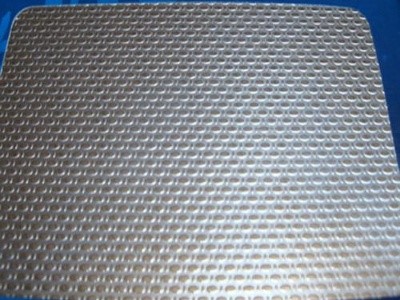
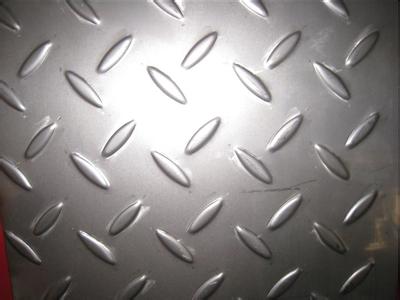
●Cores
The core of any composite panel provides the main structural component. These cores are often constructed with a honeycomb-like cell structure. This allows for reduced material requirements while improving the overall strength and durability.
Polypropylene honeycomb
Constructed from lightweight thermoplastic, polypropylene honeycomb cores boast high strength-to-weight ratios coupled with sturdy hexagonal cell construction, making them ideal solutions for applications where weight reduction and durability are critical requirements. Composite panels with polypropylene honeycomb cores also provide superior flexibility resulting in better resistance to vibrations, heat, and sound making them popular options for the transportation and automotive industries.
Aluminum honeycomb
Aluminum honeycomb offers a unique combination of excellent strength, durability, and corrosion resistance while being able to reach and hold tight tolerances. The honeycomb structure, coupled with aluminum’s already high strength-to-weight ratio, produces superior performance where weight reduction is vital. These characteristics make aluminum honeycomb composite panels highly sought after for high-tech applications that require ultra-flat precision panels.
Insulated foam
Foam cores, available in several chemical formulations, have outstanding thermal and insulating properties. This insulating nature makes them ideal for temperature-sensitive applications such as refrigerated trailers and all-weather recreational vehicles, Depending on the formulation, these cores boast a range of strength-to-weight ratios, allowing for a wide range of uses across applications and industries.
Paper honeycomb
Paper honeycomb provides an economical and lightweight solution for durable composite panels. When coated to resist heat and moisture, these panels are ideal for construction, marine, and transportation applications.
Wood
Wood has been a staple in composite materials from the beginning and still has practical applications today. This budget-friendly option is perfect when weight isn’t as big of an issue and the panels won’t be exposed to harsh environments, such as the interior of marine vessels.
●Skins
Making up the outer layers, the facing material also known as the skin, protects the inner core and provides additional durability and strength. While every material improves the panels’ overall performance and contributes to the visual appeal, each type of skin provides unique features.
Aluminum
Aluminum is a lightweight and malleable material, making it an ideal facing material for applications requiring bent edges and bends in the panels. It’s also highly resistant to corrosion and fire. These combine to make aluminum facing perfect for the transportation and automotive industries.
ABS, fiberglass, fiber reinforced plastic (FRP)
As highly customizable facing options, ABS, Fiberglass, and FRP are used extensively throughout automotive, transportation, marine, and construction industries. These facing materials not only provide additional strength and durability to the composite panels, but also allow for branding opportunities with custom colors, textures, and other decorative additions.
Stranded polypropylene
Stranded polypropylene provides a cost-effective skin for composite panels where physical attractiveness isn’t particularly important, such as insulating sleeper cabs from the heat and sounds of the engine compartment. As a lightweight, durable, and insulating material, stranded polypropylene composite panels are used across all industries.
Rubber and vinyl
When the skin does not have to provide additional structural support but needs to protect the panel against impact damage, rubber and vinyl facing materials are ideal options. These materials also provide custom color and texture variations to help enhance the appearance of the finished product.
Steel
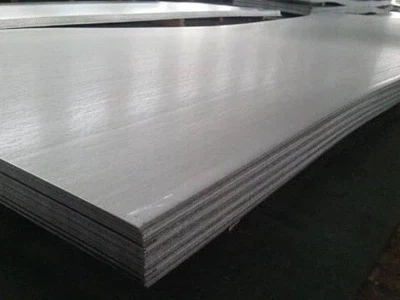
Steel is used as a facing material in high-impact applications and harsh environmental exposures, such as those found in the agricultural and construction sectors. This is the perfect skin for panels that need to stand up to repeated abuse and the added weight won’t hinder performance.
Wood
Wood skins are an attractive and cost-effective facing material used throughout construction and other applications that are not exposed to harsh environments.
Preparing the aluminum sheets
The aluminum sheets used in ACPs are typically thin, ranging from 0.2 to 0.5 millimeters in thickness. They are cut to the desired size and pre-treated to remove any oils or contaminants that may affect the bond between the aluminum and the core material.
Mixing the core material
The core material, typically polyethylene, is mixed and melted to produce a homogeneous mixture. The mixture is then cooled and cut into sheets of the desired thickness.
Lamination
The aluminum sheets and core material are then placed into a lamination machine. The machine applies heat and pressure to bond the layers together, forming a strong and rigid composite panel. The process is usually carried out under controlled conditions to ensure consistent quality and a strong bond.
Quality control
After the lamination process, the ACPs are subjected to a series of quality control checks to ensure that they meet the required standards. This may include checks for uniformity, thickness, and surface quality.
Coating
Some ACPs may be coated with a protective layer, such as a PVDF (polyvinylidene fluoride) coating, to improve their resistance to weathering and UV exposure. This step is optional and depends on the intended end-use of the panels.
Cutting and packaging
After quality control checks, the ACPs are cut to the desired size and packaged for transportation and storage.
Routine cleaning: The foundation of maintenance:
Regular cleaning is essential to prevent the buildup of dirt, dust, and pollutants on the panel’s surface. Use a soft cloth or sponge, mild detergent, and water to gently wipe down the panels. Avoid abrasive materials or harsh chemicals that could damage the panel’s finish.
Stain removal: Tackling persistent marks:
For stubborn stains, identify the stain type and choose an appropriate cleaning solution. Avoid abrasive scrubbing, which can scratch the surface. Test any cleaning solution in an inconspicuous area first to ensure it doesn’t damage the panel.
Inspection and maintenance schedule: Periodic check-ups:
Set a schedule for regular inspections to identify any signs of damage, discoloration, or wear. Catching issues early allows for timely repairs, preventing more extensive damage in the future.
Sealant and coating inspection: Protecting the finish:
If your composite panels have sealants or coatings, inspect them for cracks or deterioration. Address any issues promptly to maintain the panel’s protective layer.
Gasket maintenance (for insulated composite panel maintenance): Ensuring insulation integrity:
If you have insulated metal panels, check the gaskets or seals for any gaps or wear. Properly functioning gaskets ensure the panels’ insulation properties remain effective.
Repairing damage: Addressing minor issues:
For small scratches, chips, or dents, consider using touch-up paint or repair kits provided by the manufacturer. These kits are designed to match the panel’s finish and provide a seamless repair.
Avoidance of harsh chemicals: Gentle care for longevity:
Harsh chemicals, acidic cleaners, and abrasive materials can damage the panel’s finish or protective coating. Stick to mild detergents and cleaners recommended by the manufacturer.
Weather-related care: Battling the elements:
Depending on the panel material, exposure to extreme weather conditions can impact its appearance and integrity. Regular cleaning and inspections help mitigate the effects of weathering.
Professional maintenance: Seeking expert help:
For complex issues or extensive damage, consider seeking professional assistance. Trained technicians have the expertise to assess and repair panels effectively.
Safety considerations: Prioritizing well-being:
When performing maintenance, prioritize safety. Use appropriate safety gear, work on stable surfaces, and follow manufacturer guidelines for safe maintenance practices.
Documentation and record-keeping: Maintaining a log:
Keep a maintenance log that records cleaning schedules, inspections, and any repairs performed. This log serves as a valuable reference for future maintenance and enhances the panel’s overall lifespan.
Preventive measures: Shielding panels from harm:
Consider implementing preventive measures such as installing protective barriers, awnings, or shades to shield panels from direct sunlight, debris, and potential impact.
Beall Industry Group Co.,Limited is the leading manufacturer and supplier of stainless steel, duplex stainless and super nickle alloy materials with more than 25 years experience of supplying to a great variety of end users from different fields. Beall Industry Group, establlished in 1992, now covers a total landing area 520,000 square meters and nearly 500 employees.